








Why Buy Your Pét-Nat from FAB
The word "natural" is not a protected term in wine. Any producer can print it on a label without meeting any standard. Most of what gets sold as natural sparkling wine in Australia has no independent audit behind it, and a compelling story about farming does not make the wine in the glass any better.
Every producer in this collection holds current, independently verified organic or biodynamic certification, and our team tastes every wine before it goes live. The estates you find here are, without exception, small producers who harvest by hand, work without synthetic pesticides or herbicides, and bottle their pét-nat unfined and unfiltered — not because it is fashionable, but because the method requires it.
A bottle does not earn a place in this collection by having a good label. It earns it by what is in the glass.
If you are in Sydney, come to the FAB store at Shop 1/202 Elizabeth St, Surry Hills. We hold a complimentary tasting every day from 5:30 to 7:30 pm — no reservation, no obligation. If you want to try a pét-nat before you commit to a case, this is the easiest way to do it.
Explore the Collection by Country
Pét-nat is made across the world, but a handful of regions produce the benchmark examples — and this collection draws from five of them.
Austria
Austria is producing some of the most precise and mineral pét-nats in the world right now. Christoph Hoch, working in the Kremstal, is the name that defines this style. Expect saline texture, great length, and wines that reward attention. Drink cold, with oysters or a plate of charcuterie.
Italy
From Abruzzo to Veneto, Italian producers bring native varieties to pét-nat with results that are simultaneously rustic and serious. The Jasci & Marchesani FRIZZ wines from Abruzzo — made from 100% Montepulciano — are a perfect introduction: bright, dry, versatile, and under $40.
France
The ancestral method originated in France, and Château Tour des Gendres — a family producer from Bergerac working in certified organic viticulture — demonstrates exactly why. Their Pétillant Naturel, a blend of Sauvignon Blanc and Chenin Blanc, is racy and crisp with orchard fruit, white flowers, and a bone-dry finish. At $30, it is the most accessible entry point in the collection.
Spain
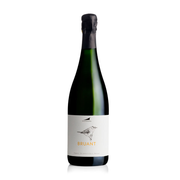
The Celler de les Aus Bruant from Alta Alella in Catalonia is made from 100% Pansa Blanca (Xarel-lo) with zero dosage and no added sulphur — certified organic, hand-harvested, and aged on lees. It is one of the most structured and precise ancestral method wines in the collection.
Australia
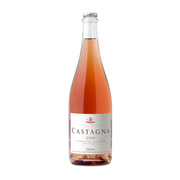
The Castagna Allegro Ancestrale from Beechworth is made from 98% Syrah and 2% Viognier — an unusual and compelling combination for the ancestral method, biodynamically farmed and made without intervention. It is the Australian benchmark in this collection.
Frequently Asked Questions
What is pét-nat and how is it different from Champagne or Prosecco?
Pétillant naturel — pét-nat — is made by the ancestral method: the wine is bottled mid-way through its first fermentation, so the bubbles are produced naturally inside the bottle by the wine's own yeasts. There is no secondary fermentation, no added sugar, and no riddling or disgorgement. Champagne and Prosecco both rely on a second, deliberately induced fermentation to create their bubbles, after the base wine is already dry. Pét-nat is the older, simpler, and considerably less interventionist approach. It is also, by definition, less predictable — which is part of the point.
Why is pét-nat cloudy? Is something wrong with the wine?
No. Cloudiness is a hallmark of authentic pét-nat, not a flaw. The haze is fine natural yeast sediment — the lees from fermentation — that has remained in the bottle because the wine is unfined and unfiltered. It is harmless and can, in some cases, add a savoury, textural, yeasty quality to the wine if you choose to integrate it. If you prefer a cleaner pour, chill the bottle upright for several hours so the sediment settles, then pour slowly, leaving the last centimetre in the bottle.
How should I serve pét-nat?
Chill it well — around 6 to 8°C, colder than you would serve a still white wine. The low temperature keeps the carbonation stable, prevents the bottle from gushing when opened, and highlights the wine's acidity and freshness. Most pét-nats are sealed with a crown cap rather than a cork; use a bottle opener, open it slowly and deliberately, and have your glass ready before you pop it. Read our guide to serving pét-nat →
What does pét-nat taste like?
It depends on the grape, the producer, and the vintage — which is part of what makes the category interesting. Most pét-nats are fresh, fruit-forward, and less aggressively bubbly than Champagne. White and rosé styles tend toward citrus, stone fruit, and a gentle effervescence. Red pét-nats from grapes like Montepulciano or Syrah offer red berry notes with a crunchy, almost cider-like character. All share a lively acidity and a slight wildness that sets them apart from conventional sparkling wine.
What food goes with pét-nat?
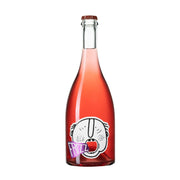
Almost anything. Pét-nat's bright acidity and gentle bubbles make it one of the most versatile food wines on the table. It is excellent with cheese and charcuterie, fresh oysters and seafood, fried or salty snacks, and moderately spicy dishes where a hint of residual sweetness is useful. It is also a very good aperitif on its own. The Jasci & Marchesani FRIZZ Rosé, for instance, works equally well with a plate of prosciutto and melon or alongside a simple margherita pizza.
I have had disappointing natural sparkling wine before. How is this different?
Most disappointing natural sparkling wine comes from producers who converted to organic or natural methods for commercial reasons rather than farming conviction. The result is wine that carries a certificate but not the quality that certification is supposed to represent. Every producer in this collection was selected because the wine in the glass reflects the quality of the farming. If it does not pass our tasting, it does not go live, regardless of the label.
How quickly will my order arrive, and what does delivery cost?
Orders are packed and dispatched from our Sydney warehouse. Most metropolitan orders arrive within two to three business days. Free delivery applies to all orders over $200, Australia-wide. Every bottle is packed to protect it throughout transit.
