
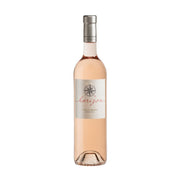

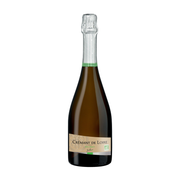

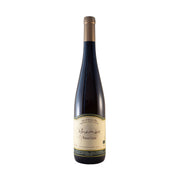

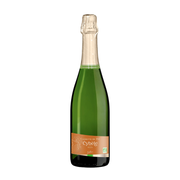

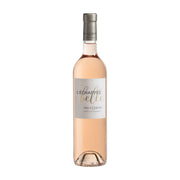

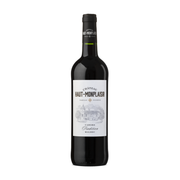

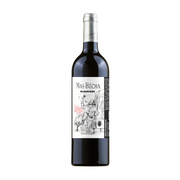

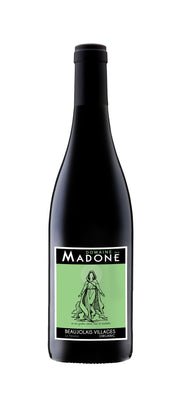

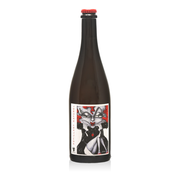

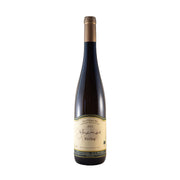

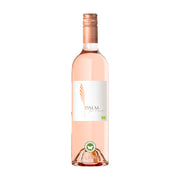

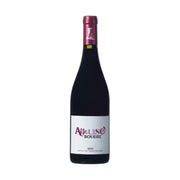

Our wine expert team tastes and selects each bottle individually. France is not a single wine culture – it offers many nuances: Burgundy's Pinot Noir and Chardonnay demand entirely different winemaking craftsmanship than the Syrah of the Rhône Valley or the mineral whites of the Loire. This collection reflects those distinctions. We do not list every French organic wine available in Australia — we list the ones our team would serve at their own table.
Orders over $200 qualify for free delivery from our climate-controlled Sydney warehouse to any address in Australia. Browse by region using the filters above — Burgundy, Bordeaux, Rhône Valley, Loire Valley, Alsace, Champagne, Provence and more — or sort by style, varietal, and price to find what you are looking for.
Experience France Through Your Glass
Our selection represents a journey through France's most celebrated wine regions, each bottle telling its own unique story:
Alsace
Alsace sits on France's northeastern border with Germany, and that geography shapes everything about its wines. The region's signature varieties — Riesling, Gewurztraminer, Pinot Gris, and Muscat — produce whites of unusual concentration and aromatic intensity, grown in a rain-shadow microclimate that delivers some of France's most consistent sunshine. Alsatian wines are typically single-varietal and typically dry to off-dry, with a structure built for food rather than aperitif drinking. Organic viticulture is well established here: the relatively low rainfall reduces the fungal pressure that demands the most intervention in wetter northern regions, making conversion more commercially viable. Our selection focuses on producers farming under full certification, where restraint on inputs translates directly into the transparency of the fruit. Riesling from Alsace alongside aged Gruyère or a plate of charcuterie is one of the most reliable food-wine pairings in the French repertoire.
Beaujolais
Beaujolais produces something that much of France does not: genuinely versatile red wine that works as well chilled in summer as it does alongside a winter braise. The region's Gamay grape, grown on granite soils north of Lyon, produces wines with red fruit character, low tannin, and an easy, approachable texture. Our organic curation focuses on the ten named Crus — Morgon, Fleurie, Moulin-à-Vent, and their peers — rather than the lighter Nouveau style. These are structured, terroir-expressive reds capable of several years of cellaring and worthy of comparison with wines at twice their price. Serve the Crus at 14°C rather than room temperature: the cooler serve tightens the fruit and lifts the finish. If you are introducing someone to French red wine and want a bottle that requires no explanation, this is where to start.
Bordeaux
Bordeaux is the most internationally recognised name in French wine, and for good reason: the region's blending tradition — Cabernet Sauvignon and Merlot on the Left Bank, Merlot dominant on the Right — has produced the benchmark for structured, age-worthy red wine across two centuries. Our organic Bordeaux selection covers both banks, from accessible appellation-level bottles that drink well within three to five years, to more structured examples that reward cellaring alongside red meat. The region also produces world-class whites — Sémillon and Sauvignon Blanc in partnership — and the celebrated sweet wines of Sauternes, where late-harvest Sémillon — blended with Sauvignon Blanc and occasionally Muscadelle — develops its characteristic honey, apricot, and marmalade complexity. Organic viticulture in Bordeaux has grown significantly over the past decade, driven by the commercial and reputational costs the region has associated with over-reliance on synthetic inputs.
Burgundy (Bourgogne)
Burgundy is the global benchmark for two grape varieties — Pinot Noir and Chardonnay — and the region's complexity rewards time spent understanding it. The Côte d'Or alone contains 1,247 recognised Climats — named and legally defined vineyard parcels, each appellation legally defined by soil, slope, and drainage. Our organic Burgundy selection is sourced from producers whose farming philosophy matches the precision that the region's best terroirs demand: lower yields, no synthetic herbicides or fungicides, and harvest decisions made by taste rather than calendar. At its best, organic Burgundy produces wines with a clarity of fruit and a mineral precision that is difficult to replicate anywhere else in the world. The selection spans village and premier cru level, with tasting notes and cellaring guidance available on individual product pages.
Champagne
Organic Champagne remains a small fraction of total Champagne production, which makes FAB's selection here genuinely unusual in the Australian market. The region's cool, northerly climate demands significant intervention to achieve consistent yields, and the shift to organic farming has been slower here than in warmer southern appellations. The producers we carry are predominantly grower-Champagnes: small estates that grow their own grapes and make their own wine, rather than purchasing fruit on the open market. These bottles carry a character that reflects a specific village and year rather than a consistent house style designed for replication at scale. They are organic in practice as well as certification — the farming philosophy and the label align.
Languedoc-Roussillon
The Languedoc is France's largest wine-producing region by area, and its relative anonymity in the premium market makes it one of the best sources of value in the French appellation system. The region's principal varieties — Grenache, Syrah, Mourvèdre, and Carignan — grow on some of the oldest vineyard soils in France, on slopes facing the Mediterranean that receive minimal rainfall. Organic viticulture here is widespread and well-established: the dry climate naturally suppresses the fungal pressures that require the most treatment in wetter regions, and the cost of conversion is lower than in Champagne or Bordeaux. Our selection focuses on producers whose wines carry genuine character and concentration rather than the high-volume, fruit-forward style for which the region is sometimes set aside by buyers focused on prestige appellations alone.
Provence
Provence is the world's most recognised source of dry rosé, and the wine's association with the region is not merely marketing: the pale, crisp, gastronomic style originates here and has resisted meaningful imitation from producers in other regions and other countries. Provence rosés are built for food — grilled fish, bouillabaisse, tapenade, ratatouille — rather than for drinking without context, and their pale colour reflects lower skin contact rather than lower quality or dilution. Our organic Provence selection includes rosé from producers certified under AB (Agriculture Biologique), the French national organic standard recognised across the European Union. The region also produces structured reds from Grenache and Mourvèdre, and white wines of considerable complexity from Rolle (Vermentino) and Clairette.
Loire Valley
The Loire Valley produces a wider range of wine styles than any other French region: sparkling Crémant, bone-dry Muscadet, the Sauvignon Blanc of Sancerre and Pouilly-Fumé, structured Cabernet Franc from Chinon and Bourgueil, and the rare sweet wines of Quarts de Chaume and Bonnezeaux. Organic and biodynamic farming has deep roots in the Loire, particularly in Anjou and Touraine, where producers helped establish biodynamics as a serious commercial proposition rather than a philosophical experiment. Our selection covers the full range of the valley's styles, with a particular focus on Chenin Blanc — a variety capable of producing everything from sparkling wine to 50-year age-worthy dessert wine from the same grape in the same region. Muscadet remains one of the most under-valued food wines in France: precise, mineral, and built for oysters and shellfish.
Looking for organic Rhône Valley wines specifically?
The Rhône Valley is one of the most compelling regions in our organic French wine collection, spanning two distinct styles under one river valley. From the structured, Syrah-driven reds of Hermitage and Côte-Rôtie in the north, to the bold, Grenache-led blends of Châteauneuf-du-Pape and Côtes du Rhône in the south, the region delivers extraordinary range and depth. Every bottle in our Rhône selection has been hand-picked by our FAB wine experts from certified organic producers who farm with respect for the land and the grape. Whether you are building a cellar or looking for an exceptional bottle to open this weekend, the Rhône Valley has an answer. Explore our full organic Rhône Valley wine collection here.
Ready to Explore?
Sign up for our mailing list today and receive 10% off your first order. Browse our selection now and taste the difference that organic practices bring to these legendary French wines.
FAQ
Will organic French wine taste as good as the conventional bottles I already buy?
Yes — and in many cases, better. The common concern is that organic farming is a compromise: fewer inputs, less consistency, shorter shelf life. That is not our experience. Organic viticulture, done properly, produces fruit with more defined character than conventionally farmed equivalents at the same price, because the vine is working in genuinely healthy soil rather than being propped up by synthetic fertilisers that inflate yield at the cost of flavour. The wines in this collection were selected because they compete on taste first. Certification is the baseline requirement to be considered — it does not automatically earn a place in the range. If a wine does not hold its own against a well-made conventional alternative at the same price, it is not here.
I am not sure where to start with French organic wine — what do you recommend?
The most useful entry point depends on what you already drink. If you gravitate towards medium-bodied reds — Pinot Noir, Grenache, lighter Shiraz — Burgundy is the right starting place: the Sylvain Loichet Bourgogne Pinot Noir Le Président sits at village appellation level and drinks well now, with the structure of a wine from a serious producer without the price of a premier cru. If you prefer whites, the Domaine Haute Fèvrie Muscadet from the Loire is the most food-friendly bottle in the collection and an unusually honest wine for the price. Both sit in the $30–$65 range and represent what this range does well: specific, credible wines from real producers, not category fillers. If you would prefer a personal recommendation based on what you usually drink, the team is available at hello@drinkfab.com.au.
What is the best bottle to bring to a dinner party?
If you need a single recommendation that works across most tables, a Rhône Valley Syrah in the $45–$65 range is the most reliable choice. It is a variety most guests find immediately enjoyable — dark fruit, some spice, enough structure to hold alongside meat — without being so familiar that it feels like a default. It opens conversation without requiring the host to explain it. If the table is more adventurous or the meal is fish-led, a Burgundy Chardonnay at a similar price does the same job on the white side. Both present as a considered choice rather than a bottle-shop grab, and both travel well.
I usually drink Australian red wine — which French bottle in this range is the closest to what I know?
The most direct parallel is Syrah to Syrah. A Rhône Valley Syrah from the northern appellation — Crozes-Hermitage, Saint-Joseph — is more mineral and savoury than a Barossa Shiraz, with less fruit weight and more structure, but the DNA is recognisable. If you drink McLaren Vale or Barossa Shiraz regularly, a Rhône Syrah in the $50–$80 range is the most natural first step into the French collection: different enough to be interesting, familiar enough to be enjoyable immediately. For white wine drinkers used to Margaret River Chardonnay, a village-level Burgundy Chardonnay is the closest equivalent — similar oak integration and weight, but with the limestone minerality of the Côte d'Or underneath.
