








Why buy your Cognac from FAB?
Because we have already done some of the choosing for you.
We are not trying to stock every Cognac available in Australia. We would rather have a handful of bottles we genuinely like, from smaller French producers, at prices that still make sense.
Our current Cognacs sit between $91 and $125, so you can get into a very good bottle without wandering into the $200, $300 or $400 end of the category.
And because FAB specialises in organic wine and spirits, organic certification is not an afterthought here. It is part of how we choose what makes it onto the shelf.
A small selection, for a reason
The range currently moves from an easy-going VS through to VSOP, XO and longer-aged Grande Champagne Cognac.
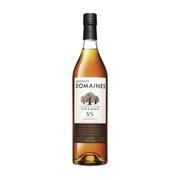
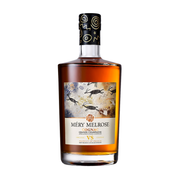
The Méry Melrose VS Cognac is $91 and is a very easy place to begin. It is approachable, well priced and does not ask you to know a great deal about Cognac before you enjoy it.
View Méry Melrose VS Cognac 700ml
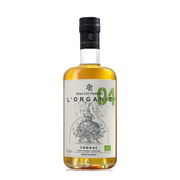
For $95, the Jean-Luc Pasquet L'Organic 04 takes you into organic Grande Champagne Cognac from a smaller producer. If you already like grower Champagne, natural wine or spirits with a bit more personality behind them, this is probably where things start getting interesting.
View Jean-Luc Pasquet L'Organic 04 Grande Champagne
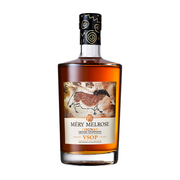
The Méry Melrose VSOP is $111. It has had more time to develop than the VS and makes sense if you want something a little more serious for sipping or gifting without spending much more.
View Méry Melrose VSOP Cognac 700ml
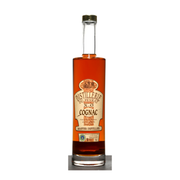
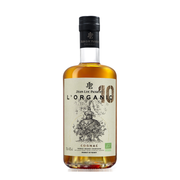
At $125, you can move into the Distillerie Du Peyrat Organic XO or Jean-Luc Pasquet L'Organic 10 Grande Champagne. Both sit at the top of the current FAB range without heading into the very high prices you often see attached to older Cognac.
View Distillerie Du Peyrat Organic XO Cognac
View Jean-Luc Pasquet L'Organic 10 Grande Champagne
Not sure which bottle to choose?
Start with the Méry Melrose VS if you want something easy, well priced and uncomplicated.
Move to the VSOP if you want a little more depth.
If you already know you enjoy Cognac and want something to sit with for a while, look at the XO or one of the longer-aged Jean-Luc Pasquet expressions.
There is no point buying the most expensive bottle just because it is the most expensive bottle. Buy the one you are actually going to enjoy.
And if you are still unsure, ask us. That is much easier than pretending everybody should already understand the difference between VS, VSOP and XO.
Why organic?
The same reason we care about organic wine.
It starts in the vineyard.
The Cognacs we choose come from producers who take farming seriously and work without the routine use of synthetic pesticides and chemical fertilisers associated with conventional farming.
For us, organic is not a badge to stick on the bottle. It is part of the reason we are interested in the producer in the first place.
That often means smaller houses, more individual wines and spirits, and bottles you are less likely to find stacked to the ceiling in a large chain store.
What about Armagnac?
We stock organic Armagnac when we find one that fits the range.
Cognac and Armagnac are both French grape brandies, but they are not interchangeable. Armagnac can be a little more rustic, expressive and individual, and it is well worth exploring if you already enjoy Cognac.
Our Armagnac selection comes and goes, so if there is one in stock, it is usually there because we think it is worth a look.
Buy online or come and taste with us
You can order Cognac and Armagnac online for delivery across Australia, with free delivery on orders over $200.
If you are in Sydney, you can also come into FAB at 202 Elizabeth Street in Surry Hills. We run free walk-in tastings every day from 5:30 to 7:30 pm, and if Cognac is what you are looking for, talk to us about what is open and what you like to drink.
No booking. No obligation. Just come in.
Where can I buy organic Cognac online in Australia?
FAB sells a small selection of organic Cognac from French producers, with Australia-wide delivery. We also stock organic Armagnac when available.
How much does Cognac cost at FAB?
Our current Cognac selection ranges from $91 to $125.
What is a good Cognac to start with?
The Méry Melrose VS Cognac at $91 is the most accessible bottle in the current range and a good place to begin.
What Cognac should I buy as a gift?
The Méry Melrose VSOP at $111 is a good middle ground. If you want something a little more special, look at the Distillerie Du Peyrat Organic XO or Jean-Luc Pasquet L'Organic 10 at $125.
Do you sell Armagnac?
Yes, when we can source an organic Armagnac that fits the FAB range. Availability changes, so the collection will not always have one in stock.
Do you deliver Cognac Australia-wide?
Yes. FAB delivers across Australia, with free delivery on orders over $200.
From a $91 VS to XO and longer-aged Cognac at $125, the point of the range is simple: fewer bottles, good producers and prices that make sense.
