
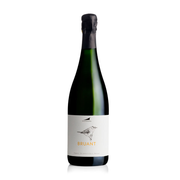

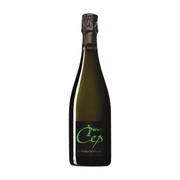

Why Choose to buy preservative-free Champagne from FAB?
Our team is passionate about finding the best preservative-free champagnes and sparkling wines—the ones that deliver real elegance without the chemical load. Most champagnes rely on added sulfites and preservatives to survive the journey from France to your glass. Ours don't. We've curated a collection that proves you don't need additives to achieve complexity, freshness, and that perfect celebration moment.
What makes it preservative-free?
Preservative-free champagne and sparkling wines are made using minimal or zero added sulfites (SO₂), relying instead on natural fermentation processes and careful handling to maintain their vibrancy. This means:
-
No synthetic preservatives — just natural fermentation and minimal intervention
-
Organic farming practices — grapes grown without synthetic pesticides or herbicides
-
Ancestral or traditional methods — techniques that preserve the wine's integrity
-
Fresh, clean taste — you're tasting the terroir, not the additives
For those watching their sulfite intake or seeking cleaner wine options, preservative-free sparkling wine offers a genuinely healthier choice without compromise on quality.
Organic vs. Preservative-Free: What's the Difference?
Organic champagne comes from organically farmed vineyards (certified by approved certifying bodies).
Preservative-free champagne focuses on production method—minimal or zero added sulfites during winemaking.
Many of our selections are both organic and preservative-free, offering the complete clean-wine experience. Always check individual product details for certifications.
Preservative-Free Champagne & Sparkling Wine FAQs
Is preservative-free sparkling wine as stable as regular champagne?
Yes, when stored correctly. Preservative-free bottles are still sealed with traditional Champagne corks under pressure, which protects the wine from oxidation. Keep bottles upright in a cool, dark place until opening. Once opened, consume within 3–7 days (refrigerated with a Champagne stopper).
Will preservative-free champagne give me a headache?
Many people report fewer headaches with low-sulfite wines, though this is individual. Sulfites are a common additive in conventional wine; removing them may reduce symptoms for sensitive individuals. However, preservative-free wines still contain trace sulfites from natural fermentation—they're not entirely sulfite-free unless otherwise labelled.
What's the difference between pet-nat and champagne?
Pet-nat (pétillant naturel) uses the ancestral method, where fermentation happens in the bottle, trapping CO₂ naturally. Champagne (traditional méthode champenoise) adds secondary fermentation in bottle but uses added ingredients like dosage and sulfites. Some of our selections—like the Cella de les Aus—blend both approaches for maximum freshness.
Can I drink preservative-free champagne if I'm on a low-carb or keto diet?
Yes. Champagne and brut sparkling wines are naturally low-carb (typically 1–2g carbs per 150ml glass) because sugar is converted to alcohol during fermentation. Extra-brut and brut-nature styles have near-zero residual sugar.
Is organic champagne more expensive?
Our preservative-free sparkling selection ranges from $28–$120, reflecting production method and region rather than organic certification alone. Premium champagnes cost more because of provenance, winemaker reputation, and ageing. Our Organic Hill ($28) offers exceptional value; Jean Michel Champagne ($120) reflects its French pedigree.
How should I store preservative-free champagne?
Keep bottles upright in a cool, dark place (50–65°F / 10–18°C ideal). Avoid temperature fluctuations and direct sunlight. Once opened, refrigerate immediately and reseal with a Champagne stopper. Consume within 3–7 days.
Champagne vs. Cava vs. Sparkling: Which Should I Choose?
Champagne
Production: Traditional méthode, strict rules
Region: France only
Flavour: Complex, elegant, fine bubbles
Best For: Special occasions, gifting
Cava
Production: Traditional method, minimal additives
Region: Spain (Alella, Penedès)
Flavour: Crisp, fruit-forward, affordable
Best For: Celebrations, apéritif, everyday
Sparkling Wine
Production: Various methods
Region: Australia, worldwide
Flavour: Fruit-driven, varied styles
Best For: Casual celebrations, BBQ, fun
Our recommendation: Start with Cava for everyday celebrations (value + elegance), upgrade to Champagne for milestones (authenticity + prestige), enjoy Sparkling wines for outdoor entertaining (versatility + fun).
How to Preserve Your Champagne & Sparkling Wine
Unopened bottles:
-
Store upright in a cool (50–65°F), dark place
-
Avoid temperature fluctuations and direct sunlight
-
Keep away from strong odours
-
Lay bottles horizontally only for long-term ageing (5+ years)—our selections are best consumed fresh
Once opened:
-
Immediately reseal with a proper Champagne stopper (not a regular cork)
-
Refrigerate upright
-
Consume within 3–7 days (depending on wine; sparkling reds within 2–3 days)
-
Check for visual clarity and aroma before drinking—cloudy appearance or vinegary smell means oxidation
Delivery & Support
Order preservative-free champagne and sparkling wine online across Australia with FREE DELIVERY on orders over $200. Same-day delivery available in Sydney (Surry Hills store: 12–8pm daily, no on-site parking but 7 minutes walk from Central Station).
Questions about your order?
-
Phone: (02) 9475 7828
-
Hours: 12–8pm, every day
-
Location: Shop 1/202 Elizabeth St, Surry Hills NSW 2010
In-store tastings: Join us for free daily wine tastings 5:30–7:30pm (selection varies). Mark, our shop manager, hosts curated tastings of organic and preservative-free wines—perfect for discovering your next favourite.
Explore More
Looking for other organic options? Browse our full collection:
