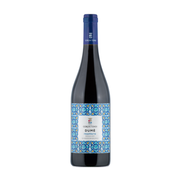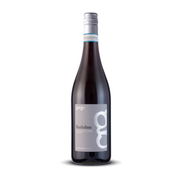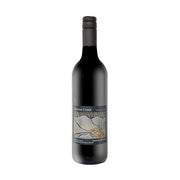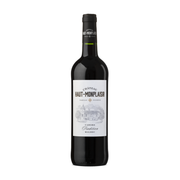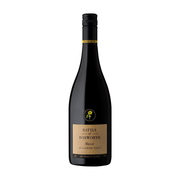
Australia's organic wine revolution has reached a critical tipping point in 2025. With the market valued at $158 million and growing at 9.7% annually, understanding organic wine certification, production methods, and market dynamics has become essential for conscious consumers.
Fab's comprehensive guide explores the science, certification process, and industry trends behind Australia's organic wine transformation – helping you make informed decisions based on verified facts and official data.
Why Is Organic Wine Certification Important in Australia?
Australia's organic wine certification system represents some of the world's most rigorous standards. The Australian Certified Organic (ACO) and NASAA certification processes require extensive documentation and annual third-party audits.
How does Australia's certification compare globally?
The Australian National Standard for Organic and Biodynamic Produce sets strict parameters that often exceed international requirements. Unlike many countries where "organic" can be loosely interpreted, Australian certification demands:
-
Three-year minimum conversion period with documented chemical-free farming
-
Annual independent audits by certified inspection bodies
-
Comprehensive soil testing to verify absence of prohibited substances
-
Detailed record-keeping of all vineyard and cellar activities
Currently, only 1.08% of Australia's total vineyard area holds organic certification, making these wines genuinely rare. This represents approximately 1,600 hectares out of 146,000 total vineyard hectares nationwide.
Australia ranks 11th globally in organic vineyard area, with continuous expansion across premium wine regions supported by Wine Australia's strategic initiatives.
What Scientific Research Says About Organic Wine Quality?
Multiple international studies have documented clear biodiversity increases under organic viticulture practices. Research consistently shows that organic and biodynamic wines are described as more complex, vibrant, and textural with greater fruit character compared to conventional wines.
What quality differences have been documented?
Scientific analysis reveals that despite lower yields in organic systems, the quality improvements are consistent across multiple international studies. This suggests that reduced yields concentrate flavors and improve wine complexity.
Organic viticulture typically requires 3-5 years to fully establish living soil ecosystems compared to immediate chemical interventions. This biological approach builds long-term vineyard health and enhances terroir expression.
Research published by Wine Australia confirms that organic certification continues growing, with new organic certifications increasing 25% annually. However, the three-year conversion period means supply growth lags behind rapidly increasing demand.
How Do Organic Wine Production Methods Differ?
Understanding organic winemaking reveals why these wines command premium pricing and deliver unique characteristics. The production differences extend far beyond simply avoiding synthetic chemicals.
What specific techniques do organic producers use?
Soil health management forms the foundation of organic viticulture. Producers use compost applications, cover cropping, and beneficial microorganism inoculation to build living soil ecosystems. This biological approach protects long-term vineyard health while enhancing wine quality.
Integrated pest management replaces synthetic pesticides with beneficial insect populations, pheromone traps, and biological controls. While more labor-intensive, this approach reduces environmental impact and supports sustainable viticulture.
Sulfite management represents perhaps the biggest production difference. Australian organic wine regulations specify maximum sulfite levels of:
Many organic producers use significantly lower sulfite levels or none at all, relying on pristine fruit and meticulous winemaking practices.
What Health Research Shows About Organic Wine Consumption?
Scientific studies examining organic wine's health implications reveal measurable differences compared to conventional wines, particularly regarding antioxidant levels and chemical residue exposure.
What specific health benefits have been documented?
Antioxidant research shows organic wines contain higher levels of polyphenols and resveratrol than conventional wines. These compounds contribute to wine's potential health benefits when consumed in moderation.
Chemical residue analysis demonstrates that organic wine consumers avoid exposure to synthetic chemicals commonly used in conventional viticulture. While residue levels in conventional wine are typically below detection limits, organic certification eliminates this exposure entirely.
Sulfite sensitivity affects a portion of wine consumers who experience adverse reactions including headaches and respiratory issues. Organic wines' lower sulfite levels can eliminate these reactions for sensitive individuals.
How Is Australia's Organic Wine Market Evolving?
Australia's position in the global organic wine market reflects broader agricultural and consumer trends that extend beyond wine into sustainable food systems.
What market dynamics are driving growth?
Export performance shows Australian organic wine exports growing at 40% annually, despite representing only 1% of total wine exports. This suggests significant untapped international demand for Australian organic wines.
Domestic consumption has experienced remarkable growth with a 31% compound annual growth rate over the past decade. From 100,000 cases in 2012 to 1.5 million cases in 2022, the trend indicates sustained long-term growth potential.
The global organic wine market is projected to reach USD 25 billion by 2030, with Australia well-positioned to capture increasing market share through quality production and strong certification standards.
What Regional Differences Exist in Australian Organic Wine?
Australia's diverse wine regions each contribute unique characteristics to organic wine production, influenced by climate, soil types, and local farming traditions.
Which regions lead organic wine innovation?
South Australia dominates organic wine production with established clusters in Barossa Valley, Adelaide Hills, and McLaren Vale. The region benefits from Mediterranean climate conditions that reduce disease pressure and support chemical-free grape growing.
Victoria's cool-climate regions excel in organic Pinot Noir and Chardonnay production. Lower humidity levels in areas like the Yarra Valley create ideal conditions for organic viticulture practices.
Western Australia's isolated vineyard locations provide natural pest barriers, making organic conversion more manageable. Margaret River's maritime influence supports healthy vine growth without synthetic interventions.
Tasmania's emerging organic wine scene focuses on premium sparkling wines and cool-climate varietals, taking advantage of the island's clean environment and sustainable farming conditions.
What Economic Impact Does Organic Wine Have?
The economic implications of organic wine production extend beyond individual wineries to encompass regional development, employment patterns, and agricultural sustainability.
How does organic wine affect rural communities?
Organic viticulture typically requires more labor-intensive practices than conventional farming. This increased labor demand particularly benefits regional communities where wine production represents a major economic driver.
Premium pricing allows smaller producers to achieve higher per-hectare returns despite lower yields. This economic advantage supports boutique wineries and family-owned operations that might struggle with conventional commodity pricing.
Tourism integration shows organic wineries attract eco-conscious visitors seeking sustainable experiences. This creates additional revenue streams beyond wine sales, supporting rural tourism development.
The Australian wine industry's total economic contribution of $51.3 billion includes significant organic wine sector growth, though organic wines still represent a premium niche market.

Frequently Asked Questions
What's the difference between organic and natural wine?
Organic wine follows certified organic farming practices but may use permitted additives like sulfites. Natural wine takes minimal intervention further, often avoiding all additives and using indigenous yeasts. All natural wines aren't necessarily organic, and vice versa.
How long does organic wine last compared to conventional wine?
Lower sulfite levels in organic wines generally mean shorter optimal drinking windows – typically 2-3 years for whites and 3-5 years for reds. However, well-made organic wines can age beautifully when stored properly.
Do organic vineyards really avoid all chemicals?
Organic certification prohibits synthetic chemicals but permits certain natural substances like copper sulfate and sulfur for disease control. The approved substance list is strictly regulated and regularly updated by certification bodies.
Why don't more wineries go organic?
The three-year conversion period, higher production costs, and yield reductions create significant barriers. Many producers also lack knowledge about organic farming techniques or access to organic certification support.
Are biodynamic wines always organic?
Yes, biodynamic certification requires organic compliance as a baseline, then adds additional holistic farming practices. However, organic wines aren't necessarily biodynamic – it's a subset relationship.
Understanding Australia's organic wine landscape requires appreciating both the scientific rigor behind certification and the passionate commitment of producers choosing sustainable methods despite financial challenges.
The combination of rigorous Australian standards, documented quality benefits, and verified market growth positions organic wine as more than a trend – it represents the future direction of premium Australian viticulture.

Interested in exploring certified organic wines? Discover Drink Fab's expert-curated organic collection featuring verified organic producers from Australia's premier wine regions. Get 10% off when you join our mailing list. We offer free shipping in Australia for orders over $200.